
High-Pressure Reactors and Autoclaves
TENNAD designs and manufactures high-pressure reactors, laboratory autoclaves and parallel multi-cell reactors for catalysis, hydrogenation, chemical synthesis under pressure, gas-atmosphere testing and process development. The range includes HPR reactors, MPR multi-position reactors with 2, 4 or more cells, HPV autoclaves and vessels, HPV-io vessels with fluid inlet and outlet and HotBlock heating blocks. Depending on their configuration, this equipment can be designed for applications using hydrogen (H₂), carbon dioxide (CO₂) and other process gases or fluids.
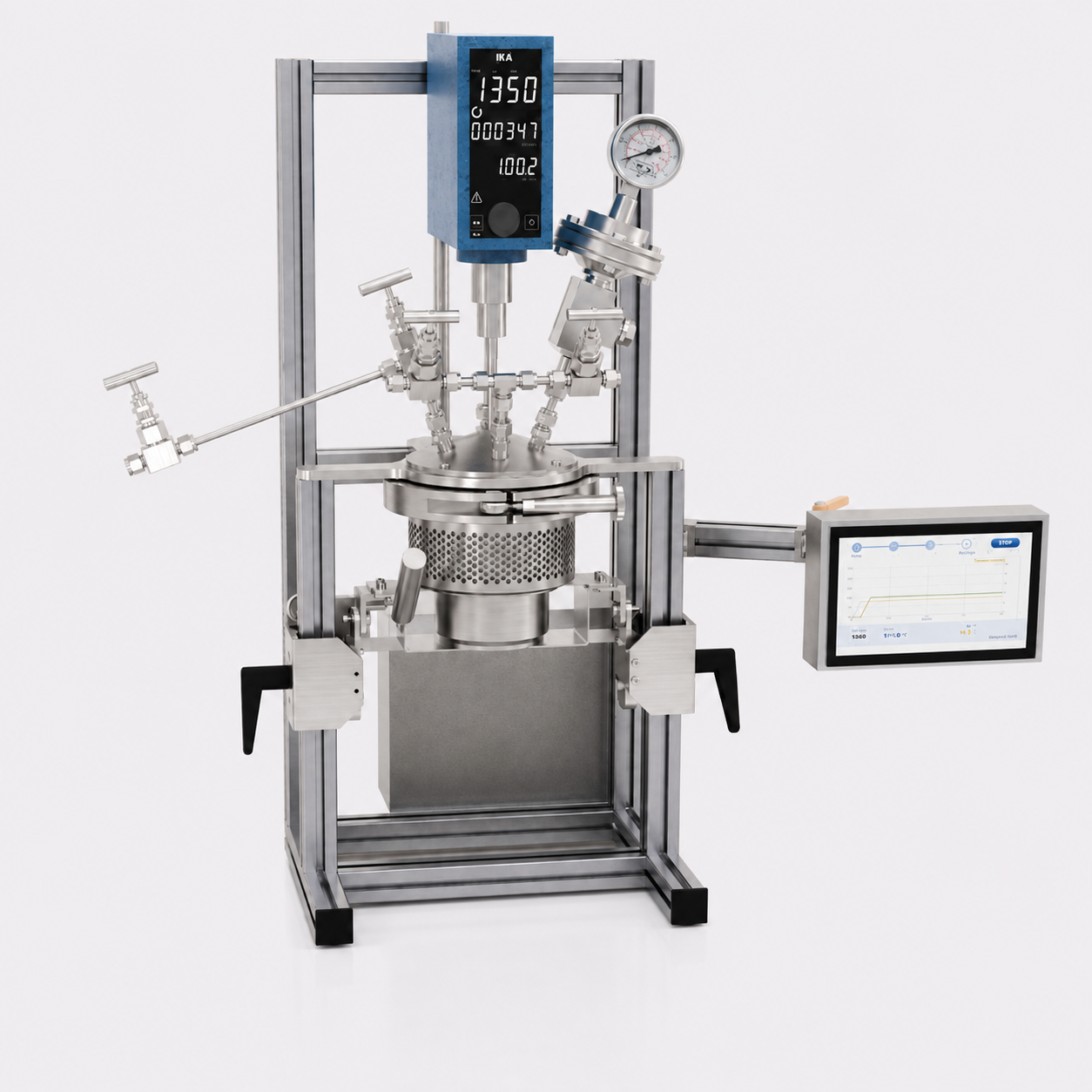 250 °C
200 bar
Multi-Cell Reactor
MPR – 2, 4 or more positions
2 or 4 × 10 mL
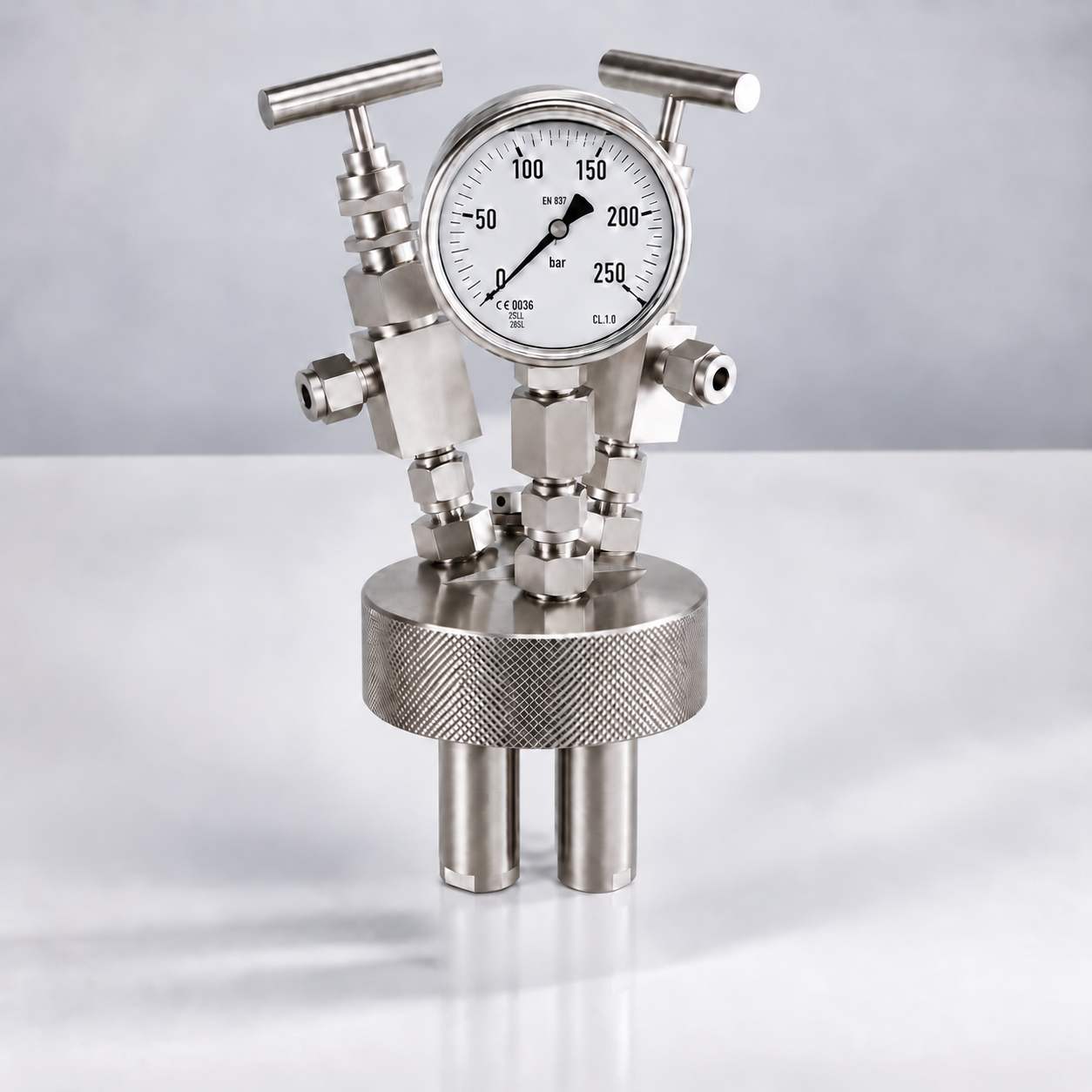 250 °C
100 bar
Inlet / Outlet Vessel
HPV-io
95 mL
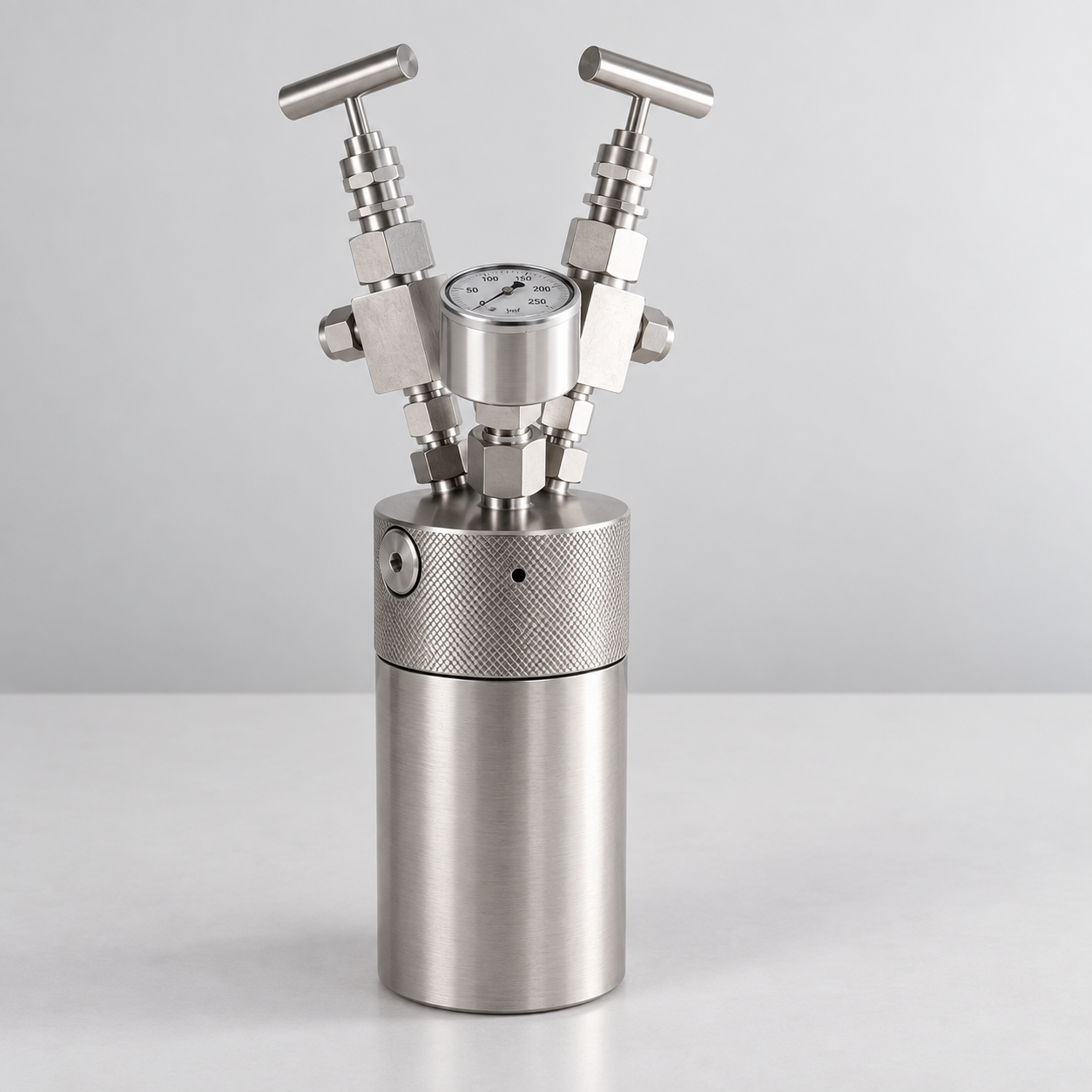 250 °C
400 bar
High-Pressure Vessel
HPV Series
5 mL to 1 L
High-Pressure Reactors for Laboratories, Catalysis and Hydrogenation – HPR Series
The HPR Series includes TENNAD laboratory high-pressure reactors with capacities up to 2 L, particularly suited to catalysis, hydrogenation, chemical synthesis and gas–liquid reactions. They are suitable for feasibility testing and process development requiring a stirring assembly under pressure. The configuration of a reactor for hydrogen (H₂), CO₂ or another gas is determined according to the application, the materials and the operating conditions.
Available material grades for HPR Series reactors
Depending on process requirements, operating conditions and the required chemical compatibility, HPR Series reactors can be engineered using the following material grades:
- S316 : Stainless S316
- H276 : Hastelloy 276
- A400 : Alloy 400
- N200 : Nickel 200
- N201 : Nickel 201
- Moly : Molybdenum
- Z702 : Zirconium 702
- T520 : Tantalum R05200
- T040 : Titanium Grade 2 (T40)
- TA6V : Titanium Grade 5 (Ti-6Al-4V)
*Other materials are available on request.
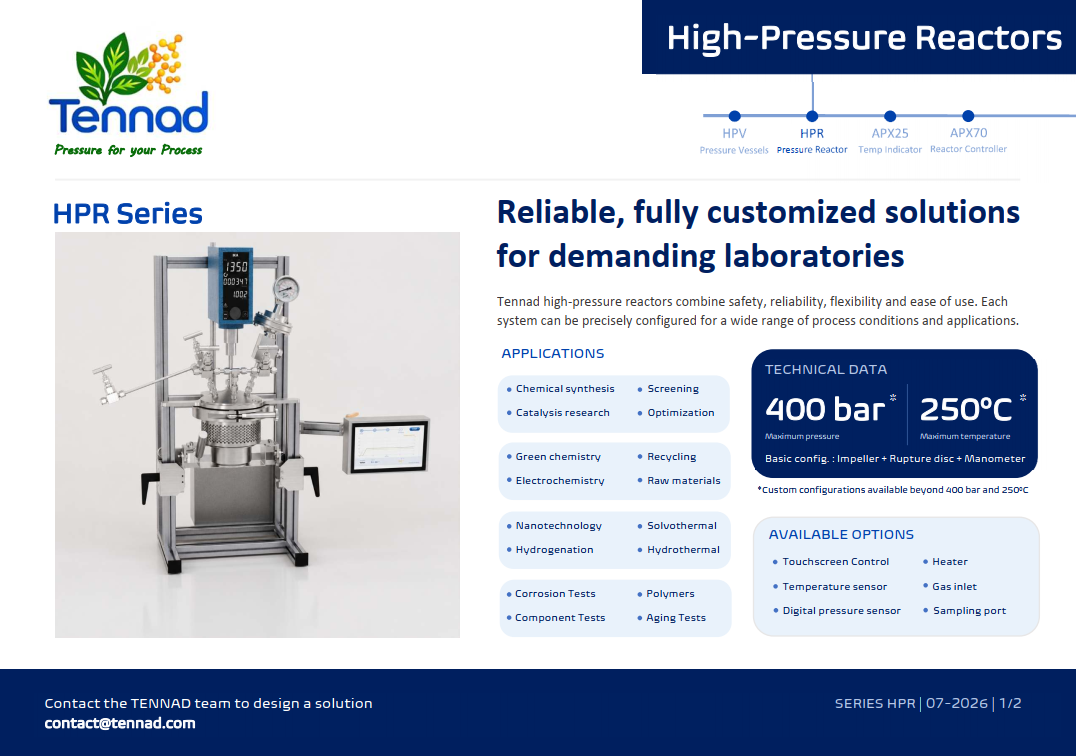
The HPR Series high-pressure reactors are designed to provide a flexible platform for laboratory testing and process development.
Their design allows a configuration to be defined according to the project, operating conditions and the user's experimental requirements. The datasheet presents the range and its main configuration options.
Click the thumbnail to view the HPR Series datasheet.
A high-pressure platform for your research activities
HPR Series reactors are particularly suitable for projects requiring controlled experimental conditions in compact high-pressure equipment designed for R&D.
They can be integrated into different stages of a development program: preliminary testing, feasibility validation, operating parameter studies, process development or preparation for future scale-up.
- Equipment designed for research and development
- Suitable for high-pressure process testing and studies
- Configuration engineered according to the application
- Can be integrated into a laboratory or R&D environment
- Solution designed to support process development and validation
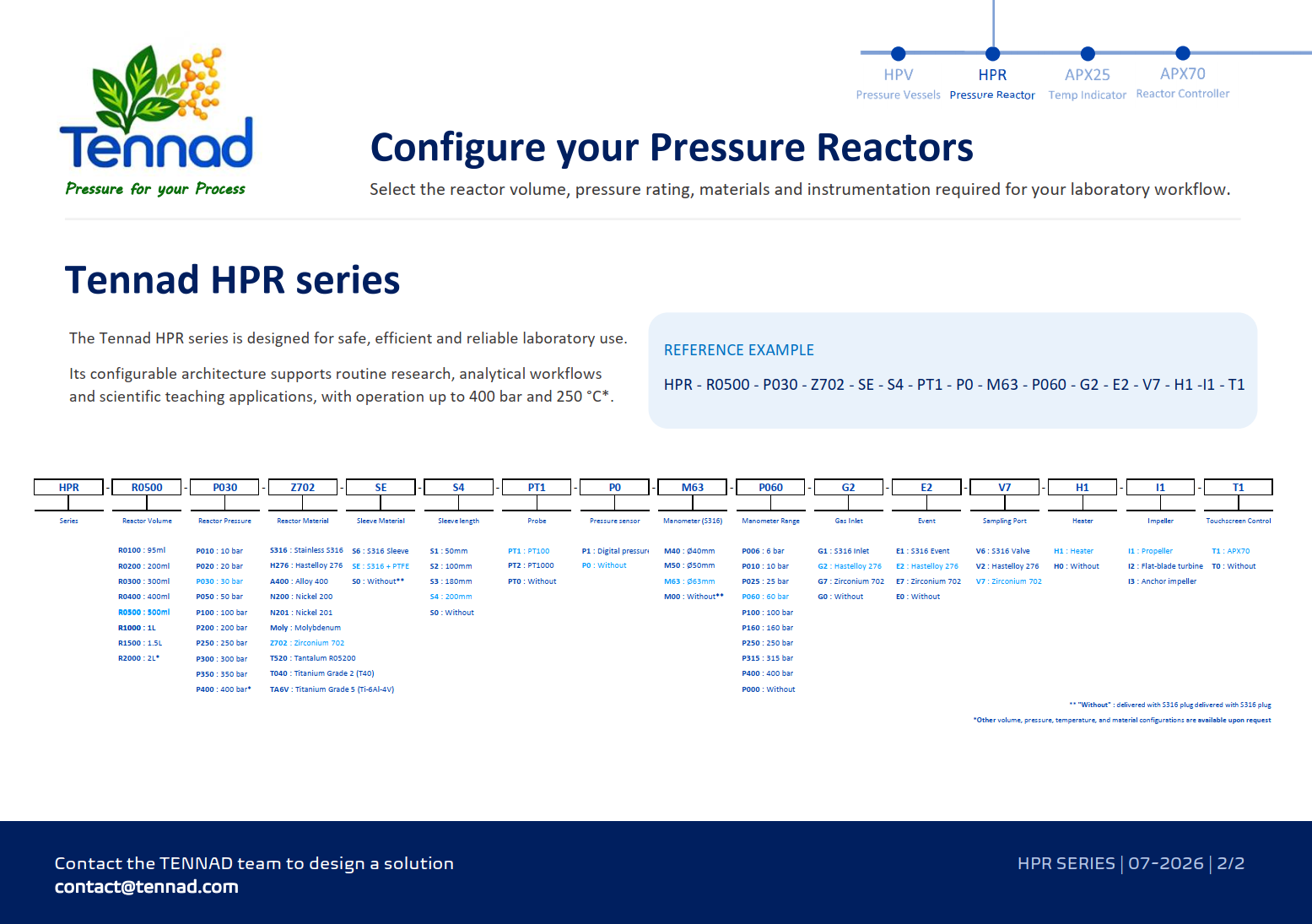
HPR Series high-pressure reactor configurations
Custom-configurable high-pressure reactors
Every research or process development project can involve different constraints. The HPR Series high-pressure reactors can be custom-configured to adapt the equipment to the application's requirements and the project's operating conditions.
This approach allows us to work with you to define the most suitable configuration based on the process being studied, the experimental environment and the R&D objectives.
Click the thumbnail to view the HPR Series datasheet and available configuration options.
High-Pressure Parallel Multi-Cell Reactors – Multi-Position Systems
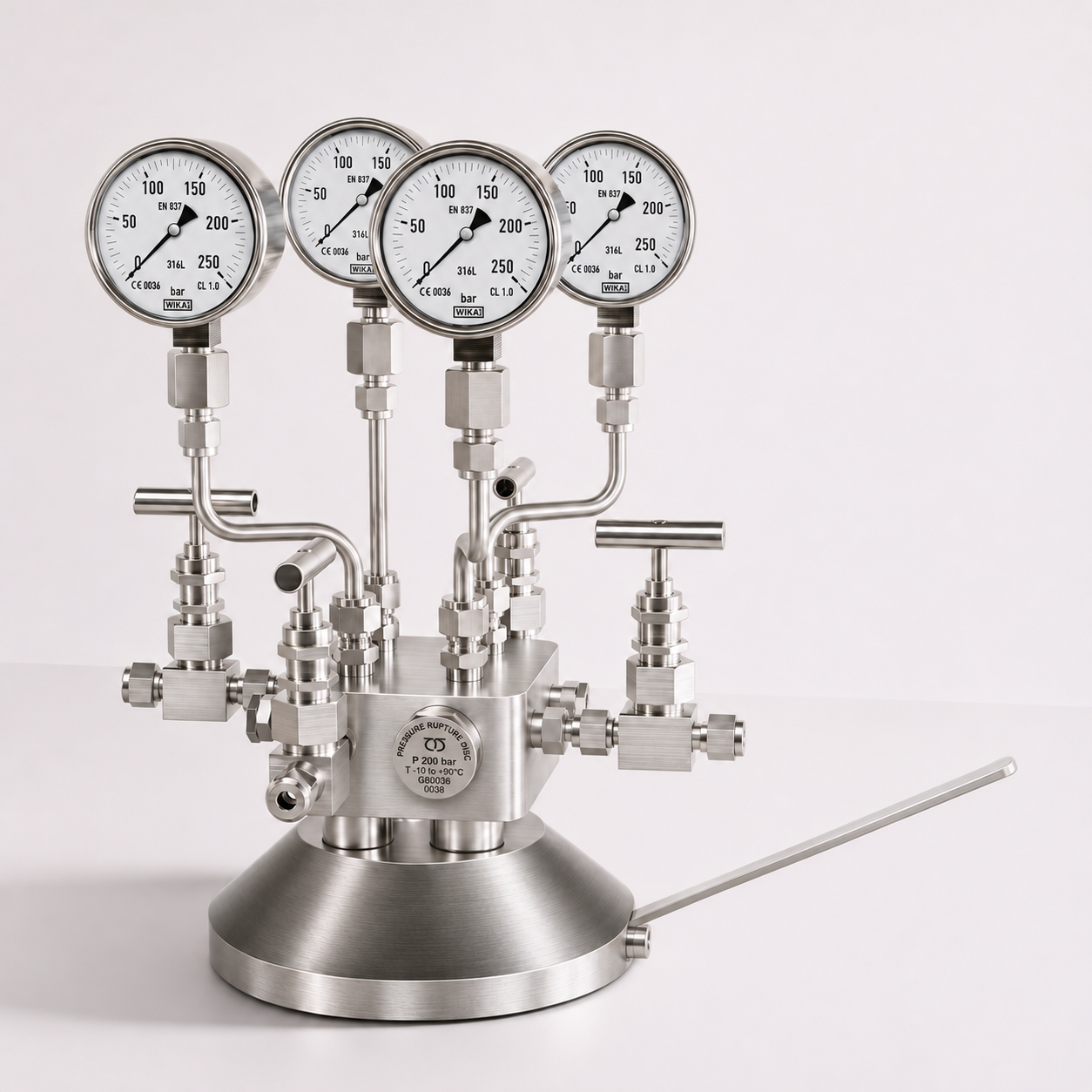
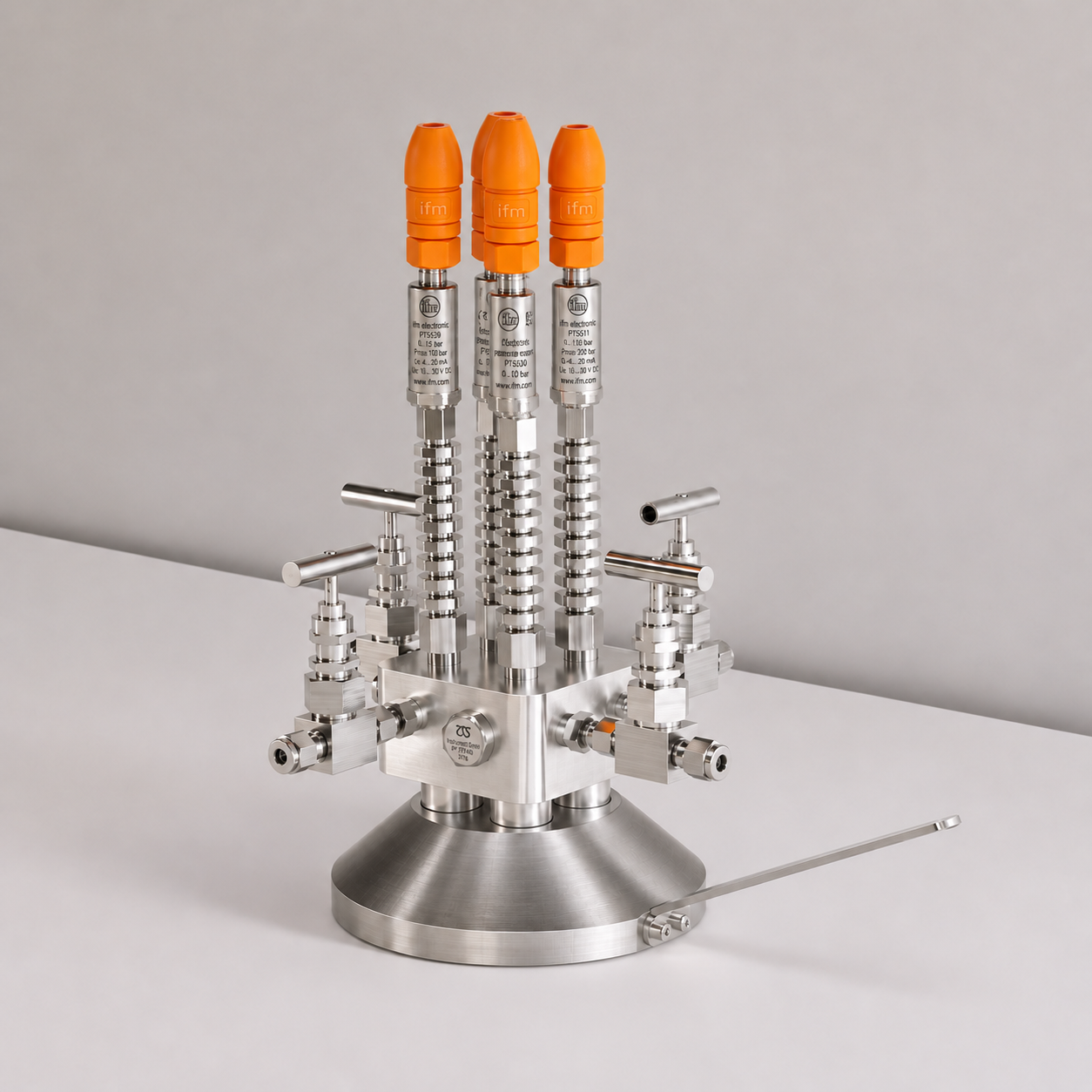
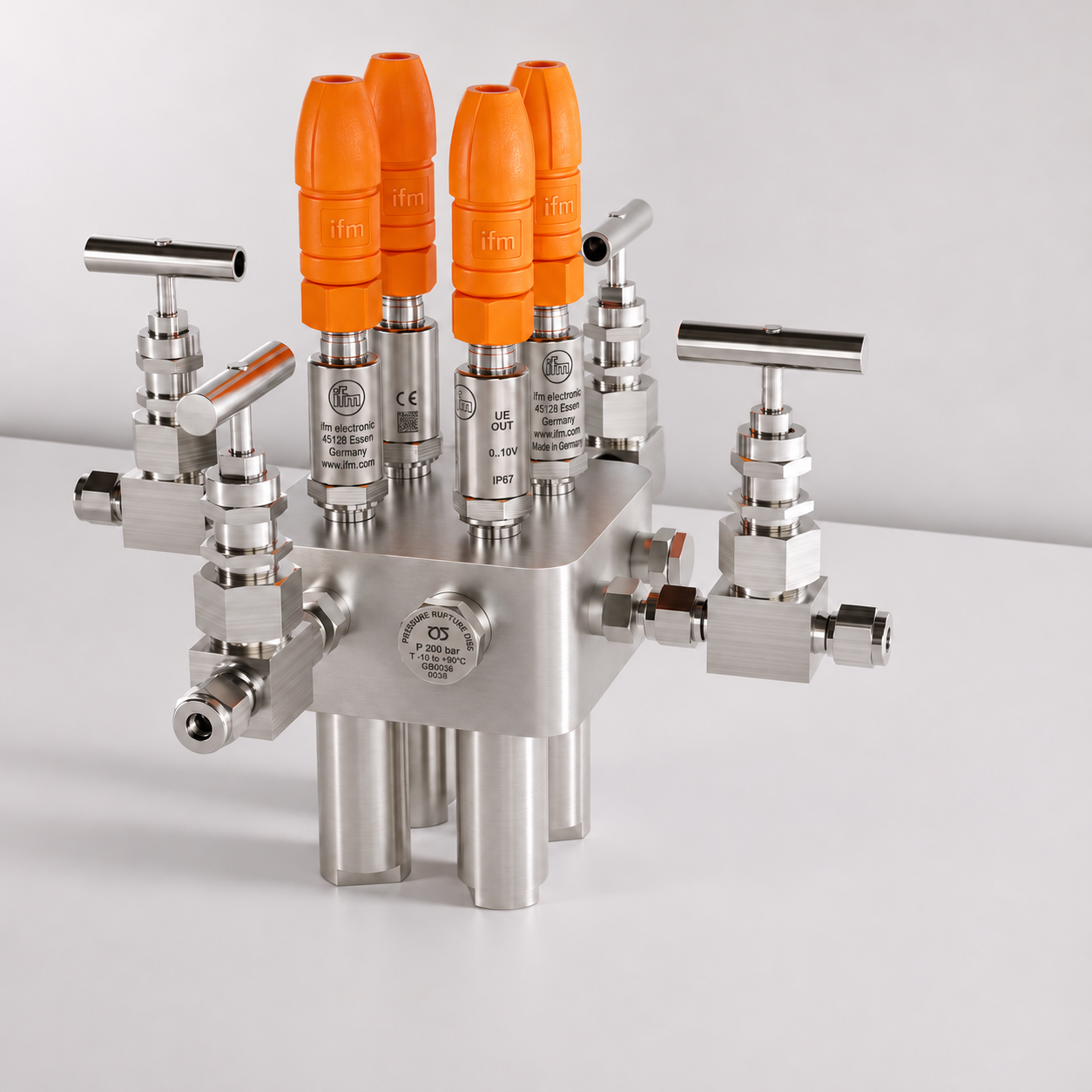
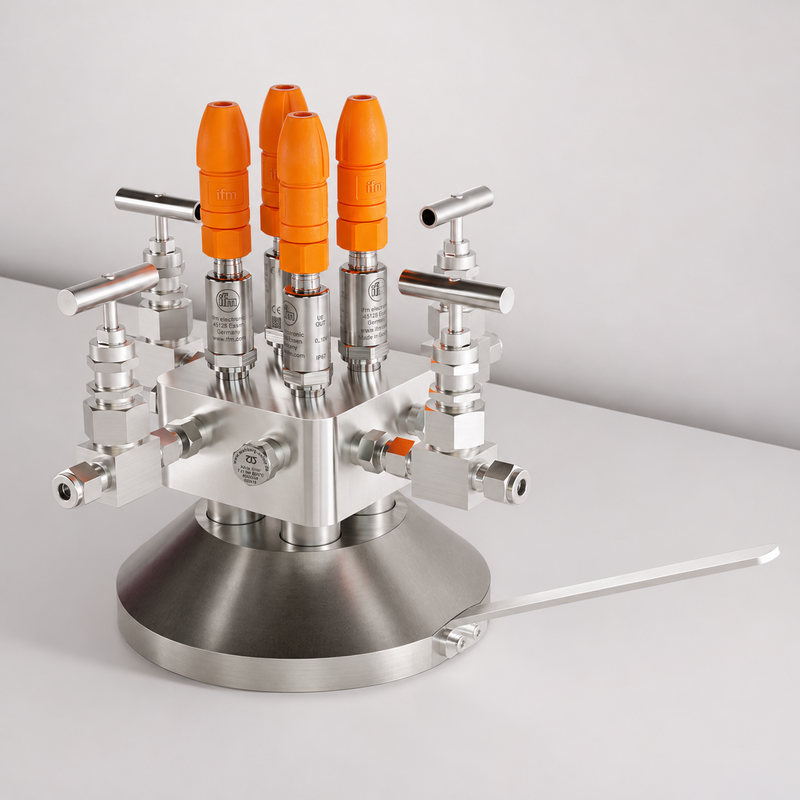
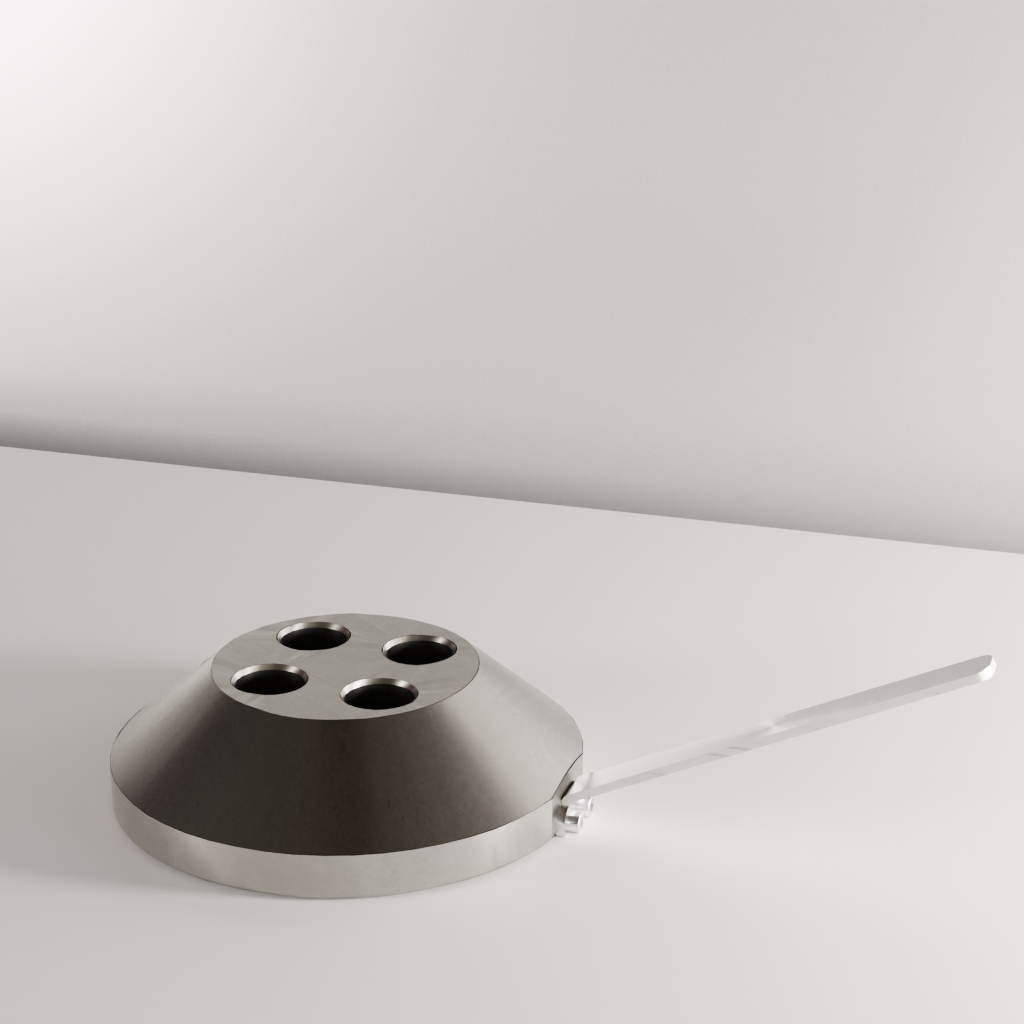
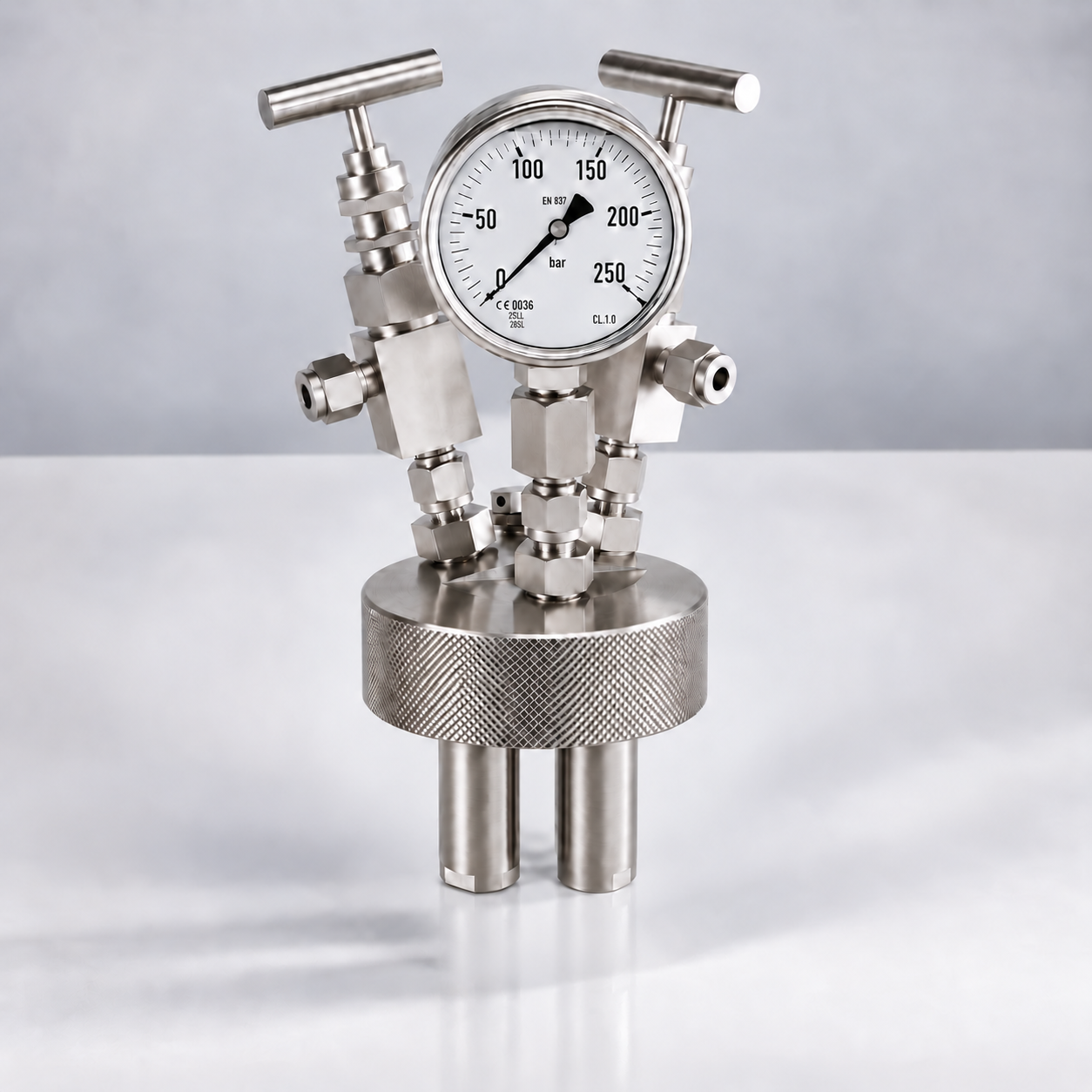
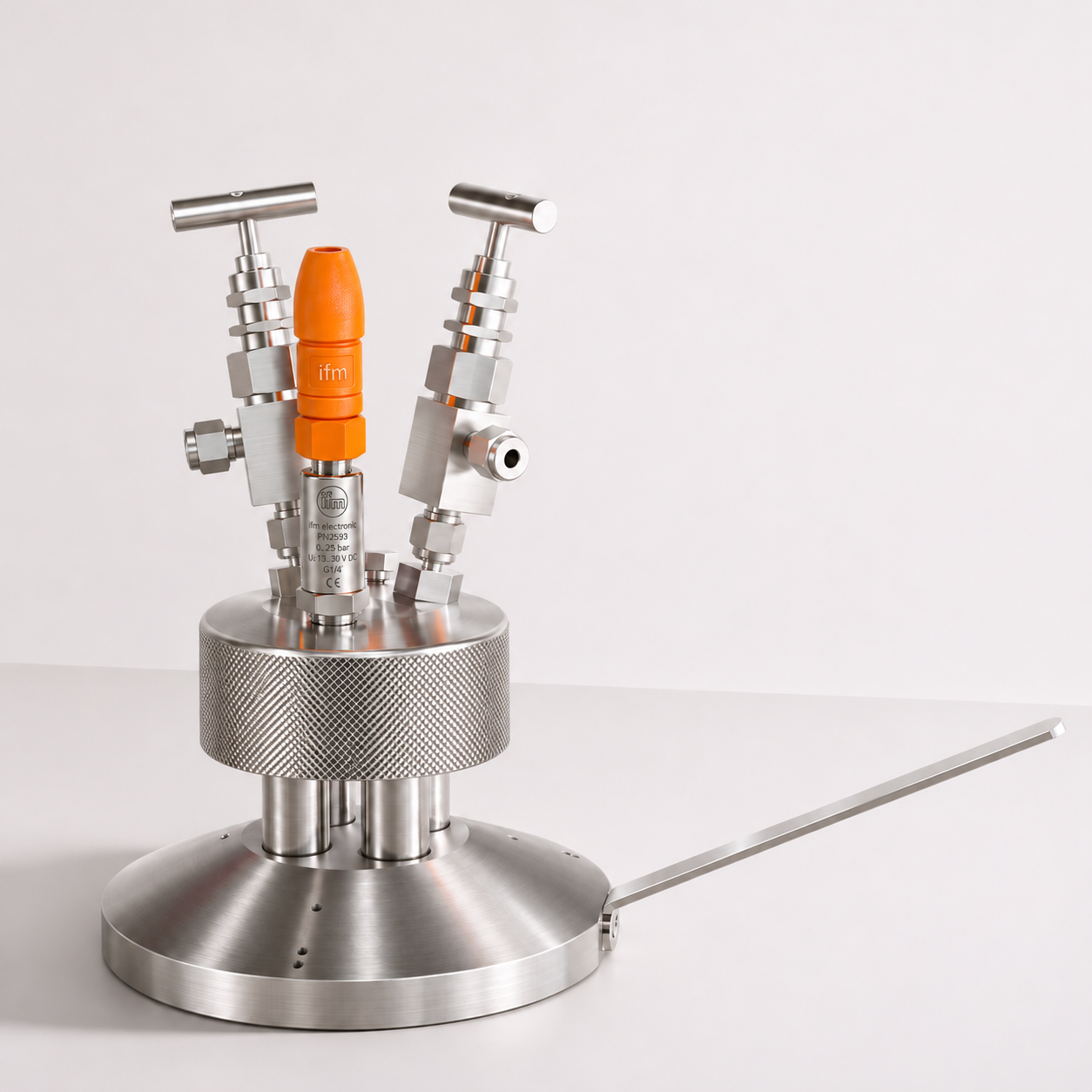
TENNAD designs and manufactures high-pressure parallel multi-cell reactors, available in 2, 4 or more positions under the name Multicell Pressure Reactor (MPR). These reactors allow several pressurized-chemistry experiments to be carried out in a compact system. Depending on the model, they have two or four 10 mL cells (other volumes are possible), enabling different formulations to be compared under identical temperature conditions in a single experimental series. Pressure can be common to all positions or independent for each position, depending on the selected configuration.
Designed to operate at up to +250 °C, MPR Series reactors are available with maximum working pressures of 50, 100, 150 or 200 bar. The cells and process-wetted components are available in 316 stainless steel or Hastelloy C276, depending on the configuration.
MPR parallel multi-cell reactors can be configured for tests using hydrogen (H₂), carbon dioxide (CO₂), nitrogen (N₂), argon (Ar) or other process gases. Their applications include catalytic hydrogenation, catalyst screening, parallel synthesis and simultaneous comparison of reaction conditions. For carbon monoxide (CO), oxygen (O₂) and reactive gas mixtures, the compatibility of each configuration and the required safety measures must be assessed specifically.
2 to 4 parallel cells for pressurized-chemistry experiments
MPR Series multi-cell reactors make it possible to perform up to four low-volume experiments simultaneously. Heating and stirring are provided by a standard heating magnetic stirrer, facilitating integration into a laboratory or R&D environment.
- Number of cells: 2 or 4
- Volume per cell: 10 mL (other volumes possible)
- Maximum working pressure: 50, 100, 150 or 200 bar depending on the version
- Pressure configuration: common or independent depending on the selected configuration
- Temperature: identical across all positions
- Minimum operating temperature: −100 °C depending on the configuration
- Maximum operating temperature: +250 °C depending on the configuration
- Available materials: 316 stainless steel or Hastelloy C276
- Heating and stirring: standard heating magnetic stirrer
MPR multi-cell high-pressure reactor – 4-position example
Standard configurations for multi-cell reactors
The table below presents examples of MPR multi-cell reactor configurations based on the number of cells, pressure control, cooling adapter, pressure measurement and operating temperature range.
| MPR reference | Pressure per cell | Number of cells | Cooling adapter | Pressure measurement | Operating temperature |
|---|---|---|---|---|---|
| MPR-2IP-PG | Independent pressure in each cell | 2 | No | Pressure gauge | −100 °C to +250 °C |
| MPR-2IP-PT | Independent pressure in each cell | 2 | No | Pressure sensor | −40 °C to +90 °C |
| MPR-2IP-PT-CA | Independent pressure in each cell | 2 | Yes | Pressure sensor | −100 °C to +250 °C |
| MPR-4-PG | Same pressure in each cell | 4 | No | Pressure gauge | −100 °C to +250 °C |
| MPR-4-PT | Same pressure in each cell | 4 | No | Pressure sensor | −40 °C to +90 °C |
| MPR-4-PT-CA | Same pressure in each cell | 4 | Yes | Pressure sensor | −100 °C to +250 °C |
| MPR-4IP-PG | Independent pressure in each cell | 4 | No | Pressure gauge | −100 °C to +250 °C |
| MPR-4IP-PT | Independent pressure in each cell | 4 | No | Pressure sensor | −40 °C to +90 °C |
| MPR-4IP-PT-CA | Independent pressure in each cell | 4 | Yes | Pressure sensor | −100 °C to +250 °C |
In the standard configuration, parallel reactors are supplied with one or more rupture discs and pressure gauges or pressure sensors. Components are available in 316 stainless steel or Hastelloy C276, depending on the selected configuration.
- Safety device: rupture disc
- Pressure measurement: pressure gauge or pressure sensor
- Valves: needle valves
- Material configuration: 316 stainless steel or Hastelloy C276
MPR-4IP-PT multi-cell reactor with its 4 pressure sensors – TENNAD
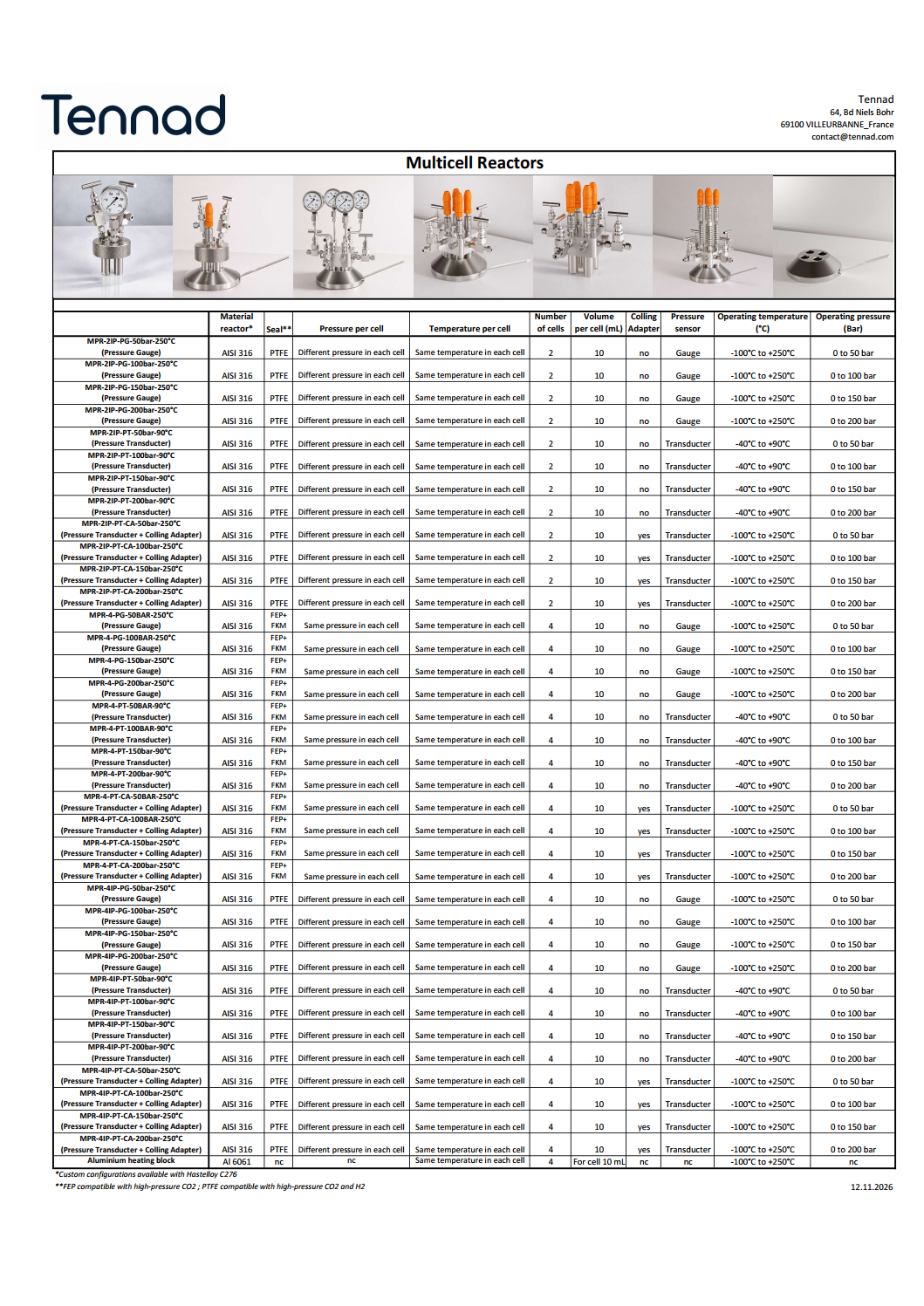
MPR multi-cell reactor datasheet – TENNAD
A compact solution for screening and process optimization
With their two or four low-volume cells, MPR reactors are particularly suitable for comparing several experimental conditions, formulations or process parameters in parallel. The temperature is identical across all positions, while pressure can be common or independent depending on the selected configuration.
This multi-position architecture is suited to catalyst screening, parallel chemical synthesis, hydrogenation under pressure, formulation comparisons and the optimization of reactions involving H₂, CO₂ or other compatible gases, while maintaining a compact configuration suitable for laboratories.
High-Pressure Vessels for Gases and Liquids – HPV-io with Inlet and Outlet
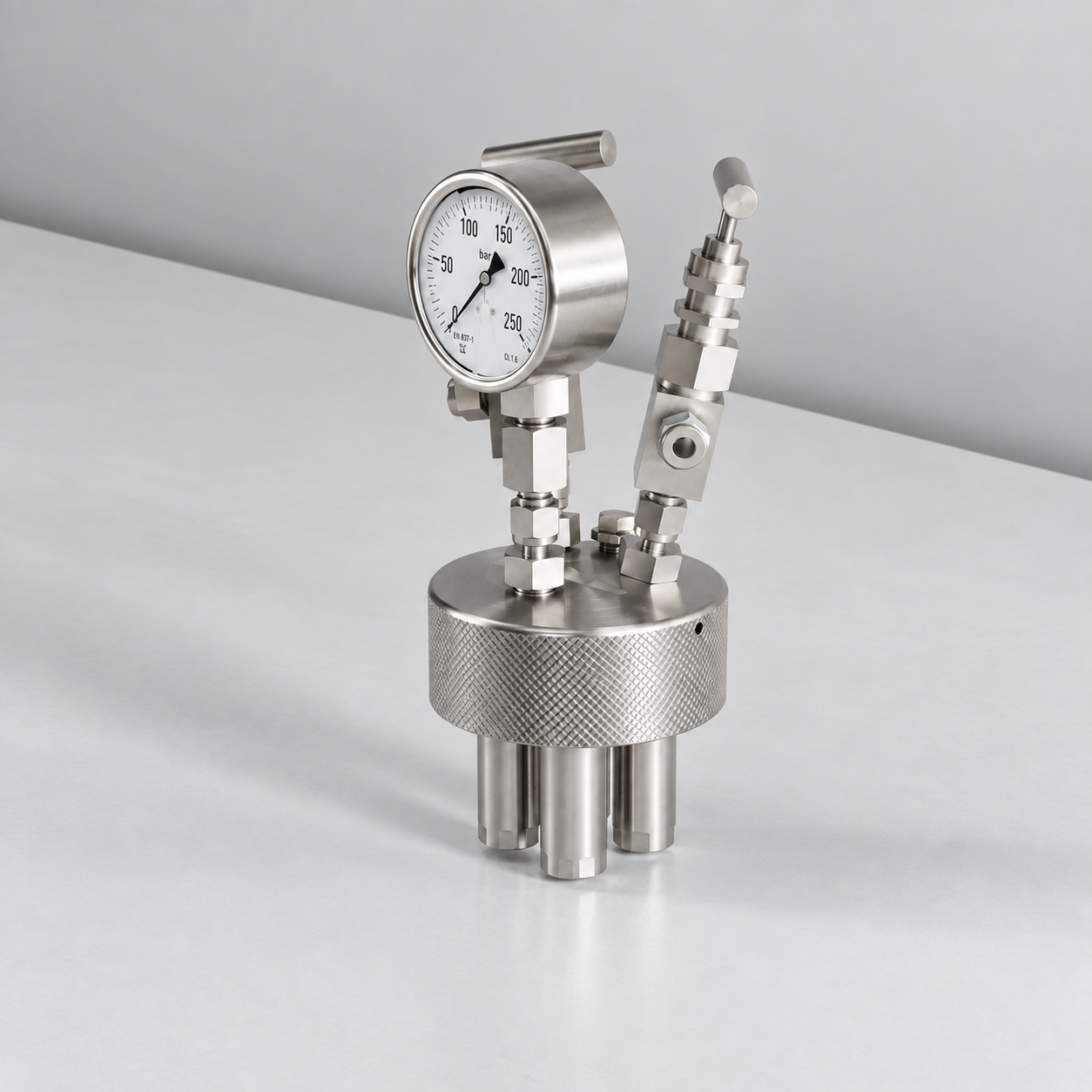
The HPV-io units are pressure vessels equipped with a fluid inlet and outlet, a pressure gauge and a rupture-disc safety device.
Their inlet and outlet valves are high-pressure needle valves that allow filling, draining, purging and pressurization. These vessels can be engineered for supplying or collecting process gases and liquids, including CO₂, nitrogen (N₂), argon (Ar) and hydrogen (H₂), depending on the configuration and the applicable safety requirements.
A high-pressure vessel with fluid inlet and outlet
The HPV-io is a version of the HPV range equipped with a fluid inlet and outlet. High-pressure needle valves allow filling, draining, purging and pressurization operations.
- Autoclave volume: 95 mL
- Maximum working pressure: 50 or 100 bar depending on the version
- Maximum operating temperature: 250 °C
- Available materials: 316 stainless steel or Hastelloy C276
- Heating and stirring: standard heating magnetic stirrer
Inlet / Outlet configuration
- Fluid inlet: high-pressure needle valve
- Fluid outlet: high-pressure needle valve
- Pressure measurement: pressure gauge
- Safety device: rupture disc
- Possible operations: filling, draining, purging and pressurization
HPV-io high-pressure vessel with inlet and outlet
Laboratory High-Pressure Autoclaves and Vessels – HPV Series
The HPV Series high-pressure autoclaves and vessels comprise TENNAD vessels with capacities up to 1 L for research, experimental installations and setups using a heating magnetic stirrer. Depending on the setup, they can be engineered for gas-atmosphere reactions, chemical synthesis, catalysis and hydrogenation, using hydrogen (H₂), CO₂, nitrogen (N₂), argon (Ar) or other compatible fluids.
Available material grades for HPV Series vessels
Depending on process requirements, operating conditions and the required chemical compatibility, HPV Series vessels can be engineered using the following material grades:
- S316 : Stainless S316
- H276 : Hastelloy 276
- A400 : Alloy 400
- N200 : Nickel 200
- N201 : Nickel 201
- Moly : Molybdenum
- Z702 : Zirconium 702
- T520 : Tantalum R05200
- T040 : Titanium Grade 2 (T40)
- TA6V : Titanium Grade 5 (Ti-6Al-4V)
*Other materials are available on request.
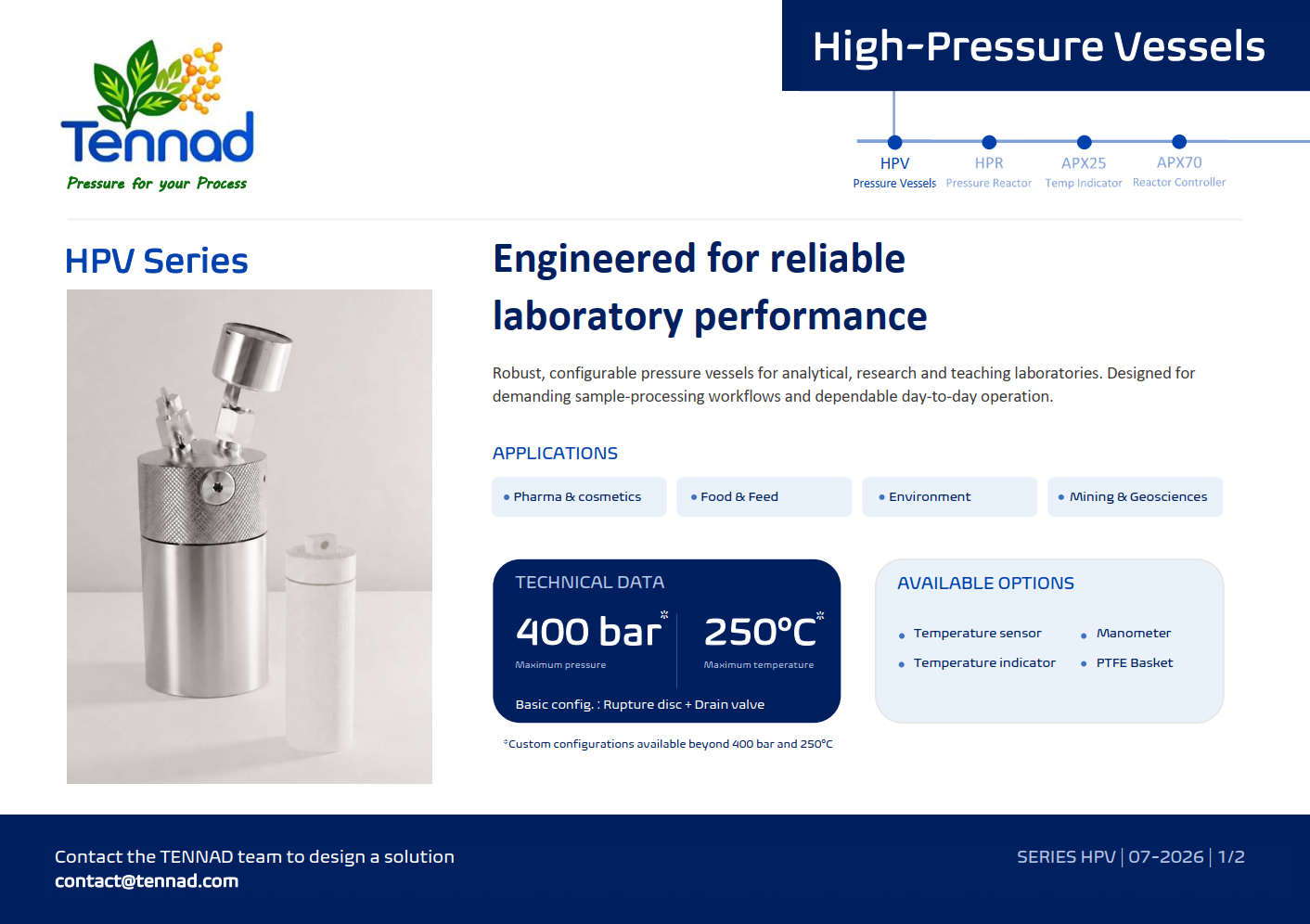
The HPV Series high-pressure vessels are designed for R&D installations and applications from 5 mL to 1 L.
The range enables a solution to be engineered in line with project requirements. The datasheet presents HPV Series equipment and available configuration options.
Click the thumbnail to view the HPV Series datasheet.
High-pressure vessels for research installations
HPV Series vessels can be used when a project requires a dedicated high-pressure vessel or autoclave, either as standalone equipment or as part of a more extensive experimental installation. Applications and process gases are defined according to the materials, equipment design and operating conditions.
They provide a suitable basis for developing specific installations for research, testing and process development under pressure.
- Vessels designed for high-pressure applications
- Designed for laboratories, research and development
- Adaptable to specific project requirements
- Can be integrated into an experimental installation
- Configuration engineered according to the application
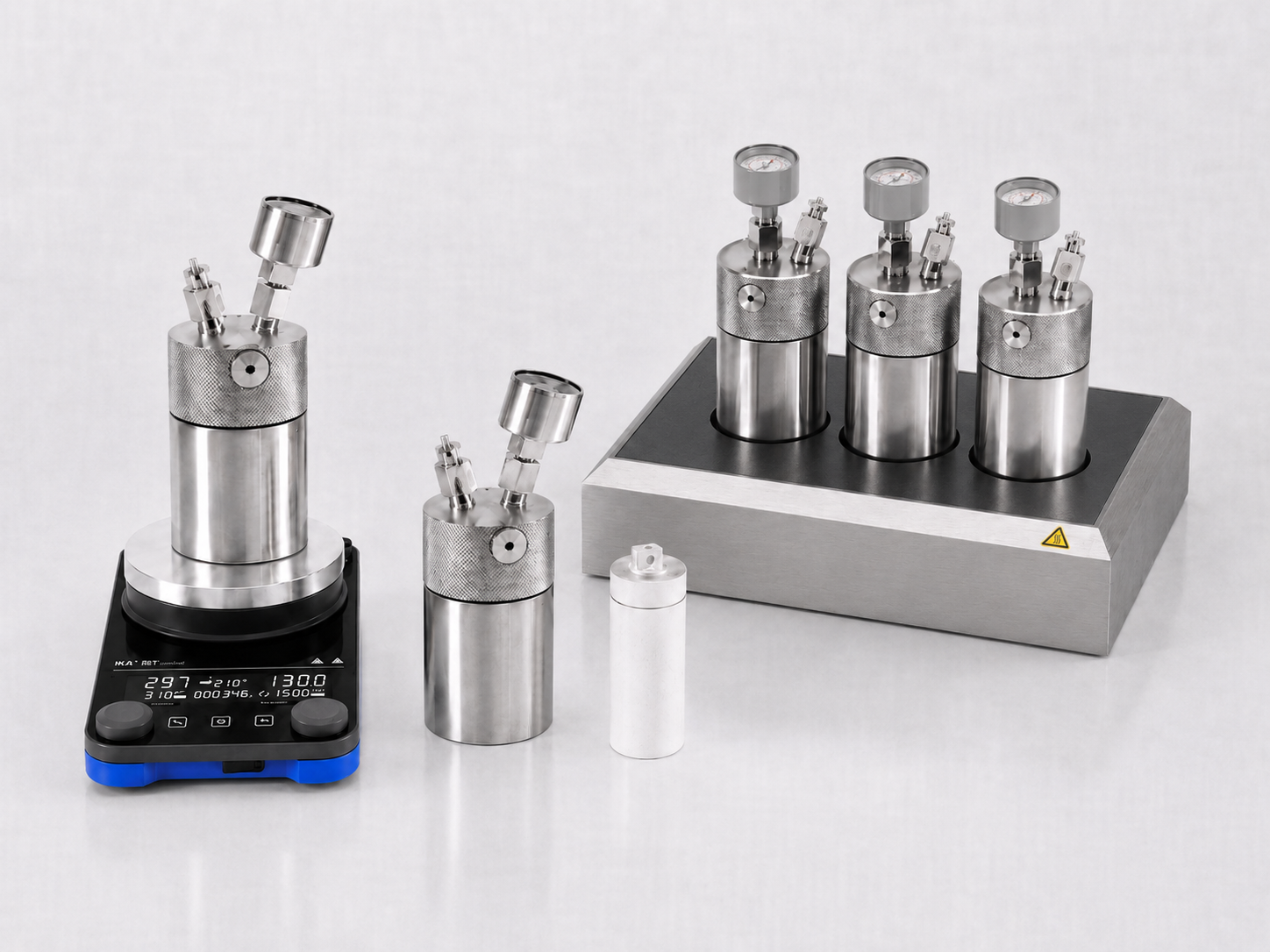
Standard configuration and available options
In the standard configuration, HPV Series high-pressure vessels are equipped with a rupture disc and a high-pressure valve.
As an option, a pressure gauge and a thermowell with PT100 or PT1000 probe can be added for temperature measurement. The probe can be connected to the TENNAD APX25 external probe reader, providing an external temperature display.
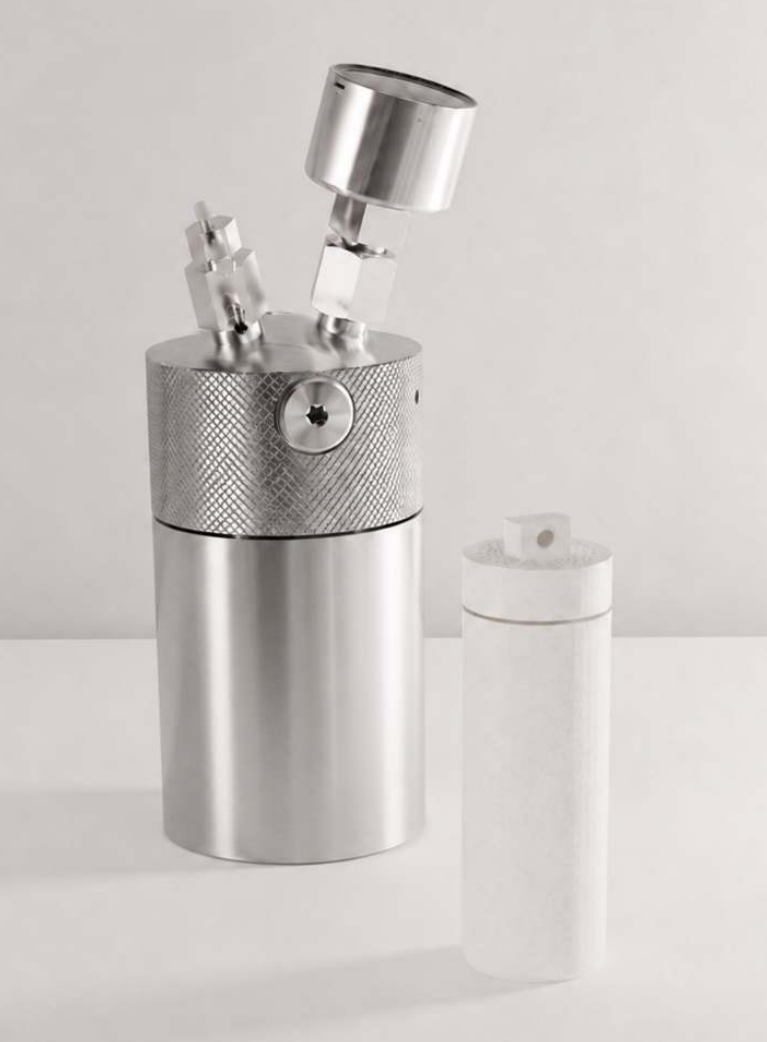
HPV Series high-pressure vessels can also be supplied with a pure PTFE basket.
- Standard configuration: rupture disc and high-pressure valve
- Optional: pressure gauge
- Optional temperature measurement: thermowell with PT100 or PT1000 probe
- External readout: TENNAD APX25 probe reader
- Available accessory: pure PTFE basket

TENNAD APX25 external probe reader
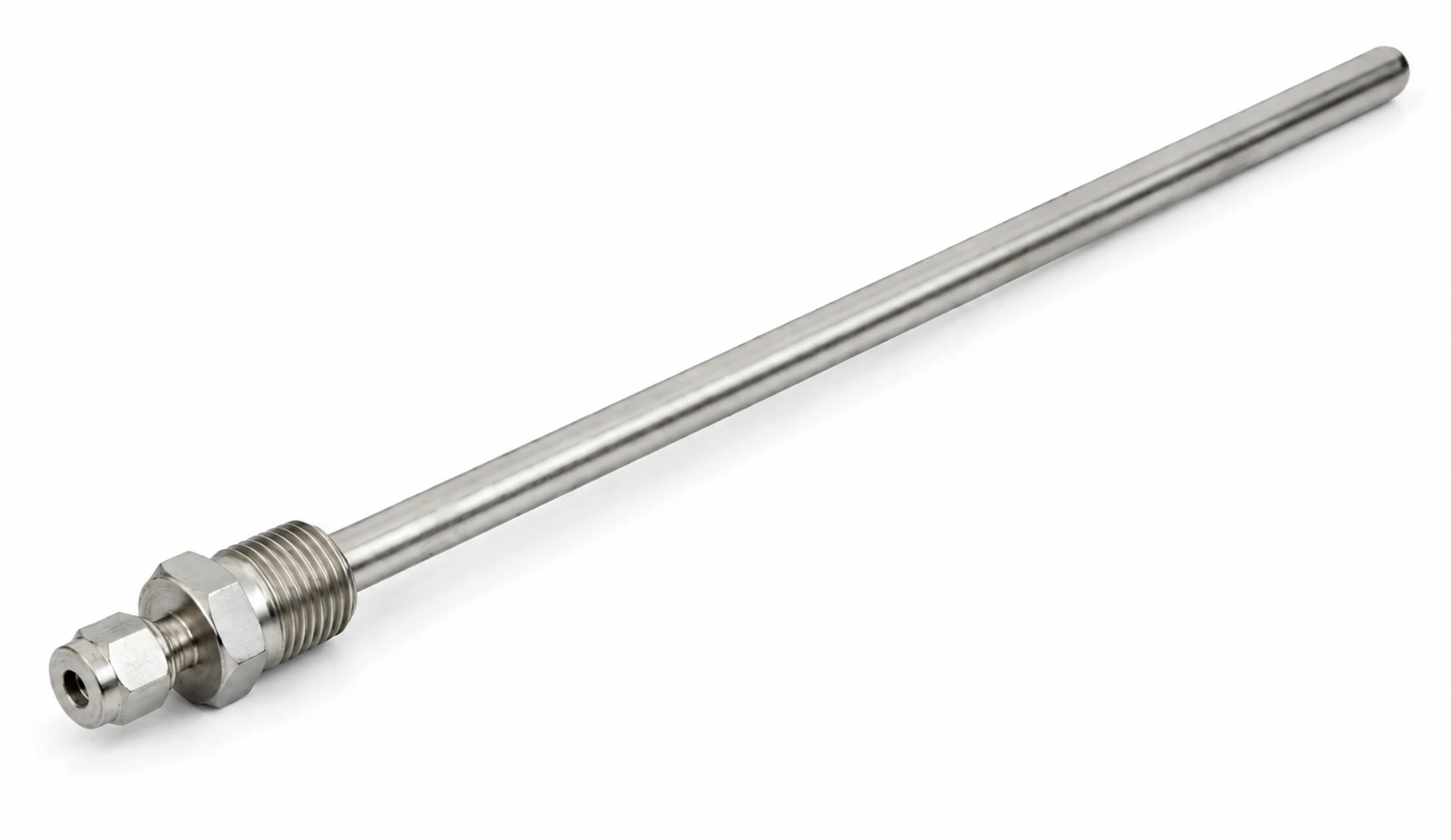
Stainless-steel thermowell for PT100 / PT1000 probe
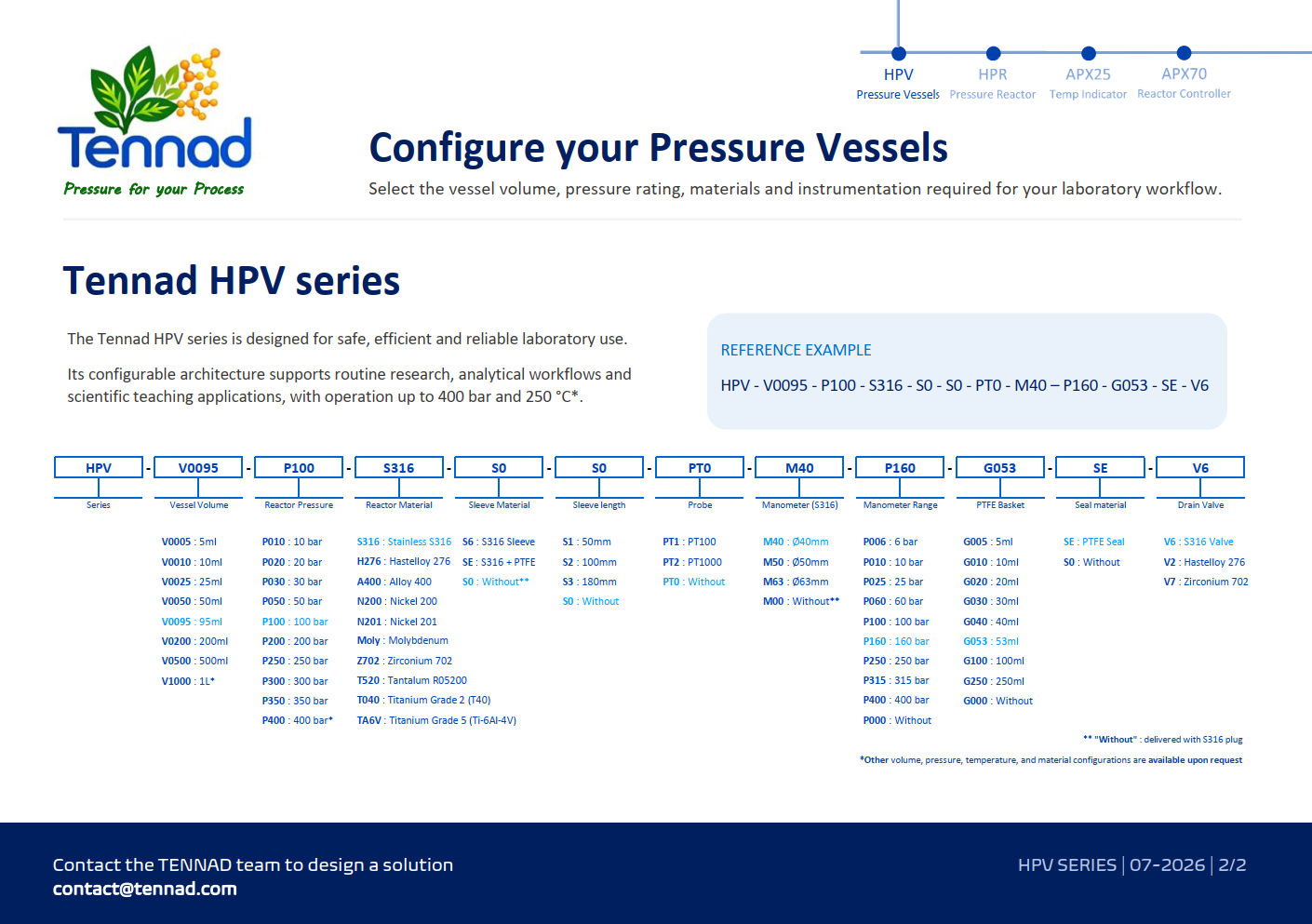
HPV Series high-pressure vessel configurations
Custom-configurable high-pressure vessels
The HPV Series high-pressure vessels can be custom-configured to meet the specific requirements of an application, installation or research program.
Our aim is to work with you to define a configuration suited to the project, its operating environment and the required operating conditions.
Click the thumbnail to view the HPV Series datasheet and available configuration options.
High-Pressure Reactors for Catalysis, Hydrogenation and Chemical Synthesis
TENNAD high-pressure reactors and autoclaves are designed for laboratories, research centers and process development teams. Their configuration is determined by the process gas or fluid, the reaction being studied, the temperature, the pressure and the compatibility of the materials.
Catalysis and Hydrogenation Under Pressure
A high-pressure reactor for hydrogen (H₂) can be used to investigate catalytic hydrogenation, reduction reactions and other transformations involving a reactive gas, provided that appropriate equipment and safety devices are selected. HPR reactors can also be engineered for homogeneous and heterogeneous catalysis, gas–liquid reactions and reaction-condition optimization.
Catalyst Screening and Parallel Synthesis
MPR parallel multi-cell reactors, available with multiple positions, allow different formulations, catalysts or experimental conditions to be compared in the same series of experiments. They are well suited to catalyst screening, parallel synthesis and process development under pressure, with a common temperature and either common or independent pressure, depending on the configuration.
Laboratory Autoclaves, Gas-Atmosphere Testing and Process Development
HPV high-pressure autoclaves and vessels can be integrated into research, synthesis or gas-atmosphere testing installations, depending on the accessories selected. HPV-io vessels with inlet and outlet are intended for the circulation, supply, collection or pressurization of gases and liquids in experimental installations.
High-Pressure Reactors for Hydrogen (H₂), CO₂ and Other Gases
Selecting a high-pressure reactor for gas applications depends on the fluid, the working pressure, the temperature, the process-wetted materials and the safety devices. HPR reactors, MPR multi-cell reactors and HPV autoclaves or vessels can be engineered for various gases and fluids, depending on their configuration.
- Hydrogen (H₂): catalytic hydrogenation, reduction reactions, catalyst testing and research under a hydrogen atmosphere.
- Carbon dioxide (CO₂): CO₂ conversion reactions and studies, catalysis, pressurized chemistry and applications using compressed or supercritical CO₂ when the configuration allows it.
- Nitrogen (N₂): inerting, purging, pressurization and testing under an inert atmosphere.
- Argon (Ar): protective atmospheres for air-sensitive reactions and catalysts.
- Carbon monoxide (CO): carbonylation, catalysis and reactions under CO, subject to a dedicated configuration.
- Oxygen (O₂) and air: oxidation and oxidation-catalysis research using equipment specifically designed for oxygen service.
- Synthesis gas (H₂/CO): catalysis and conversion studies involving gas mixtures, depending on equipment compatibility and safety devices.
- Other gases and fluids: methane (CH₄), ethylene (C₂H₄), ammonia (NH₃), other process gases, solvents and liquids; feasibility must be assessed case by case.
Custom configuration: TENNAD assesses laboratory requirements for high-pressure reactors, autoclaves and vessels. Compatibility with a particular gas or fluid must be confirmed for each version, especially for hydrogen, oxygen, carbon monoxide, ammonia and reactive gas mixtures.
A range of equipment adapted to your R&D project
Equipment selection depends directly on the application, the required operating conditions and how the equipment must be integrated into the process.
For projects requiring a high-pressure reactor for testing, research and process development.
For work requiring two or four pressurized-chemistry experiments in parallel, with identical temperatures and common or independent pressure depending on the selected configuration. 10 mL cells (other volumes possible), up to +250 °C.
For projects requiring a high-pressure vessel that can be used on a heating magnetic stirrer or in a HotBlock.
For applications requiring a 95 mL high-pressure vessel with a fluid inlet and outlet for filling, draining, purging and pressurization.
Interested in our high-pressure reactors and autoclaves?
Contact the TENNAD team to discuss your R&D project.
Contact us